Planning a Colorado Ski Trip for International Guests
- January 06, 2025· Article by Maria Jones
- Adventure , Colorado ski trip
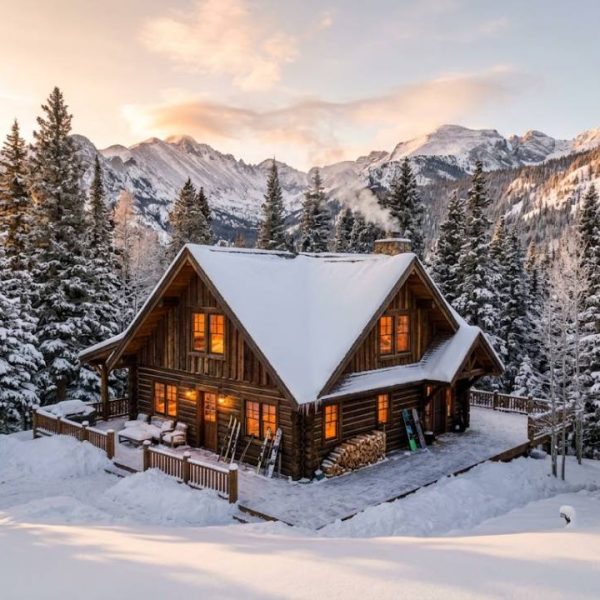
The road to a mountain lodge in southern Colorado climbs slowly through pine forest, and at some point the signal on your phone disappears. That moment is when most international guests realise how much of their trip depends on planning done at home.
A ski holiday in the Rockies is one of the great winter experiences, but it works best when the details are settled early. The difference between a smooth trip and a stressful one is almost always preparation, not luck. Here is a practical guide for guests who are travelling in from abroad.
Pick the right time of the season
Snow quality and crowds change from week to week. Early winter brings lower prices and quieter slopes but thinner coverage. Midwinter offers the most reliable snow and the busiest weekends. Spring skiing is warm and relaxed, with softer snow in the afternoon.
If your schedule is flexible, aim for midweek arrivals. Lodges are quieter, lift lines are shorter and rates are usually friendlier. Holiday weeks fill up months in advance, so book early if your dates are fixed.
Choose a base that fits your group
A small lodge near the slopes saves daily travel time and gives you a warm place to return to after the lifts close. Look for a property that offers a drying room for boots, a hearty breakfast and clear information about shuttle options. Families should ask about rooms with space for gear and extra bedding.
For ideas on what mountain regions offer, the official Colorado tourism site lists towns, resorts and seasonal events.
Altitude is real
Many mountain towns sit above 8,000 feet. If you come from sea level, you may feel breathless, tired or headachy for the first day or two. Drink plenty of water, go easy on alcohol and give yourself a gentle first afternoon before you hit the slopes.
Anyone with heart, lung or blood pressure conditions should speak to a doctor before travelling. Altitude affects people differently, and fitness is not a reliable predictor.
Gear: rent or bring
Skis and boots are easy to rent at the base, and rental shops adjust bindings to your height and ability. Bring your own helmet liner, goggles, gloves and base layers if you can. Cotton is a poor choice in the cold, because it holds sweat and chills you quickly.
Layering works best. A thin wicking layer, an insulating mid layer and a waterproof shell let you adapt as the weather changes through the day.
Driving in winter
Mountain roads can be icy, and some passes close during storms. Check road conditions before you set off, and carry chains or ask your rental company whether the car is equipped for snow. Allow extra time for the final stretch, and fill the tank before leaving a larger town.
Visitors from abroad should also check the rules for using a foreign driving licence, since requirements differ by state and by rental company.
Language and communication
English is the working language in Colorado, but not every guest is comfortable with fast speech, local slang or technical terms such as "chairlift", "run" or "groomer". Clear written information helps enormously. Booking confirmations, safety rules and lodge policies should be easy to read.
Lodges that welcome visitors from many countries often invest in language translation services for their key documents, so that guests can understand check-in times, cancellation rules and emergency instructions before they arrive.
What hospitality teams learn from this
Good communication does not end at the front desk. Menus, trail maps, equipment rental forms and safety notices all benefit from simple wording and, when possible, a translated version. The piece on tourism and hospitality explains why even small adjustments in language can raise guest satisfaction.
Food, drink and downtime
After a day on the mountain, you will want warm food and a place to relax. Many lodges serve a simple dinner, and nearby towns offer local restaurants where reservations are wise on weekends. Ask the host for a few recommendations, and try regional dishes such as green chili and fresh trout.
Plan one slower day in the middle of the trip. Snowshoeing, a hot spring soak or a walk through a quiet village gives your legs a rest and lets you enjoy the scenery without rushing.
Safety on the slopes
Follow the posted signs, ski within your ability and always wear a helmet. Know the trail colours, stay on marked runs and keep a safe distance from other skiers. If you are new to the sport, book a lesson for the first morning. A good instructor teaches control, which is more useful than speed.
Practical details before you leave
Check your passport validity and entry requirements, buy travel insurance that covers winter sports, and download offline maps. Keep a paper copy of your booking and the lodge phone number. Tell your bank you will be travelling so that your card works without surprises.
Making the most of it
The best ski trips mix good snow with good rhythm: early starts, a long lunch, a late afternoon on the easy slopes and an early night. Do that, and by day three you will feel part of the mountain community rather than a visitor.