When Does Ski Season Start in Colorado? Reading the Calendar at Wolf Creek
- August 14, 2026
- Ski Season Planning , when does ski season start in colorado
Ask ten people in the San Juans when does ski season start in Colorado and you will get ten slightly different answers, all of them correct. The official calendar says late autumn. The snow says whatever it wants. Somewhere between those two facts sits the trip you are trying to book, and getting the timing right matters more here than at almost any other destination in the state.
The Short Answer, and Why It Keeps Moving
Most Colorado resorts aim to open between the last week of October and the middle of December, with the majority spinning lifts around Thanksgiving. That window has held for decades, but the exact date is set by two things: how much natural snow has fallen on the upper mountain, and how many cold nights the snowmaking crews have been handed. A warm, dry November pushes openings back by a fortnight. A cold, wet one brings them forward. Nobody promises a date until the forecast makes it safe to.
Wolf Creek and the Race to Open First
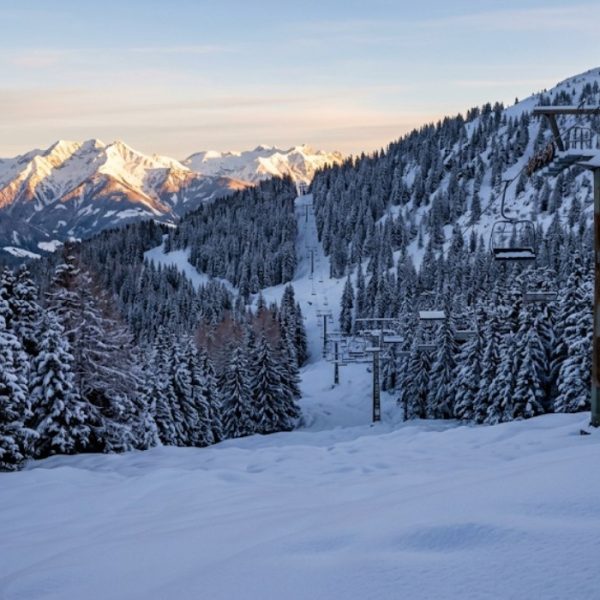
The southern San Juans sit in the path of storms that arrive from the southwest and drop their load on the first high ground they meet. That geography is why Wolf Creek Ski Area regularly records the deepest average annual snowfall in Colorado and why it has opened first in the state more often than any other resort. In good years the lifts have started turning in the last days of October, while much larger resorts on the I-70 corridor were still looking at brown grass. That reputation is earned by the mountain rather than manufactured by marketing.
Snowmaking Changes the Calendar, But Only So Much
Modern resorts lean hard on snowmaking to guarantee an opening date, blowing a durable base onto a handful of runs so a resort can sell lift tickets regardless of the weather. It works, and it is why early season skiing often means one wide, firm, crowded trail rather than the mountain you saw in the brochure. Wolf Creek needs less of this than most, which is the practical reason its early season tends to ski better than its neighbours even when the reported open acreage is similar.
What Each Part of the Colorado Ski Season Feels Like
Late October through November is thin, quiet and cheap, with limited terrain and the best lift lines of the year. December brings the base up and the crowds with it, peaking hard between Christmas and New Year. January and February are the heart of the season, cold and reliable, and locals will tell you this is when the snow is worth the drive. March delivers the biggest storms of the year alongside softening afternoons, which many people consider the sweet spot. April is a gamble that pays off spectacularly when it pays off at all.
Pass Decisions Happen Long Before the First Storm
The cheapest way to buy a Colorado ski pass is to buy it in spring for the following winter, months before anyone knows what the snow will do. Prices climb through summer and again in autumn, and by the time a good early season is obvious the discount is gone. Independent mountains often sell their own pass separately from the big multi resort products, which is worth knowing if your plans centre on one area rather than a road trip.
Timing Matters for Beginners More Than Terrain Does
People researching Colorado ski resorts for beginners tend to compare trail maps. The more useful comparison is the calendar. A first timer on a firm, narrow, early season run learns much slower than the same person on a soft March afternoon with the whole beginner area open. Midweek in January and anything in late March both give a new skier room to fall over without an audience. Booking a lesson at the start of a trip rather than day three is the other change that quietly saves a holiday.
Beds Fill Before the Snow Report Does
Lodging near a mountain that opens early is claimed early. Rooms in South Fork and the surrounding valley go quickly once a big storm cycle appears in the long range forecast, and the people who booked in September pay considerably less than the ones refreshing a booking site in December. If you are stretching a winter budget across a whole trip, the same thinking that drives good budget travel tips applies on snow: lock the fixed costs early, stay flexible on the variable ones, and eat at least one meal a day somewhere without a chairlift view.
Driving In, and What Overseas Visitors Sort Out First
Almost every trip here ends with a mountain pass and a rental car. Winter tyre rules apply on Colorado highways during the snow months, chains live in the boot for a reason, and the drive from Alamosa or Durango is straightforward in daylight and unforgiving after dark. Visitors arriving from abroad should sort paperwork before they land, since rental desks and, occasionally, state troopers ask for documents a foreign licence alone does not satisfy. A short primer on translating a driving licence is worth ten minutes before a trip that depends on getting the car up the hill.
Closing Day Arrives Later Than People Expect
The other half of the question is when the season ends, and here the deep snow areas hold their advantage. Wolf Creek routinely skis into early April with a base that would embarrass many resorts in February. Spring skiing in Colorado is warm, forgiving and half empty, and if your only free week falls after the school holidays, that is not a consolation prize. It is arguably the best week of the year.